
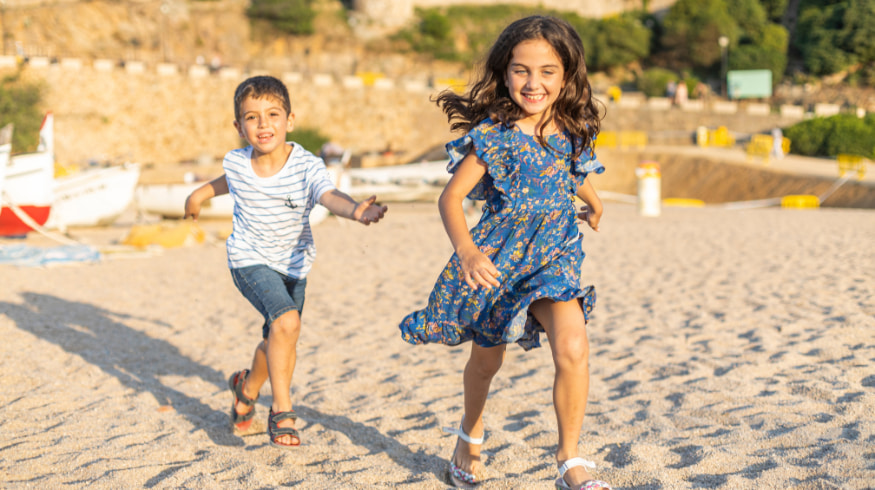
Children are naturally active. From the moment they learn to roll, crawl, and walk, movement becomes one of the main ways they explore the world around them. For young children, being active is not just about burning off extra energy. Movement plays an important role in how they grow, learn, manage emotions, and connect with others.
Understanding the importance of movement in early childhood can help parents and caregivers see physical play in a different way. It is not simply something to fit into a child’s day when there is free time. Regular movement supports many areas of early development and helps children build skills that they will continue to use as they grow.
For families in Dubai and across the UAE, where young children may spend more time indoors during the hotter months, making movement part of the daily routine can be especially valuable.
Physical Activity Supports Physical Development
One of the most obvious benefits of movement is its impact on a child’s physical development. As children become more active, they gradually develop greater strength, coordination, balance, and body awareness.
Gross motor skills allow children to control the larger muscles in their bodies and carry out everyday movements with greater confidence. Over time, physical activity helps children become more comfortable using their bodies and understanding what they are capable of.
Movement also supports the development of fine motor skills. As children use their hands and fingers during play and everyday tasks, they build the coordination and control needed for activities such as drawing, writing, feeding themselves, and getting dressed.
These physical skills may seem small at first, but they contribute to a child’s growing independence. The more confident children become in their physical abilities, the more willing they may be to explore their surroundings and try new things.
Movement Supports Cognitive Development
Physical play does more than strengthen a child’s body. It also gives the brain opportunities to learn.
When children move, explore, and interact with their surroundings, they are constantly taking in new information. They learn about space, distance, direction, balance, and cause and effect. They also begin to understand how their actions can change what happens around them.
Movement can also support skills such as attention, problem-solving, and persistence. Children often encounter small challenges during play and have to work out what to do next. These experiences encourage them to think, adapt, and try again when something does not work the first time.
Physical activity can also help children transition between different parts of their day. After periods of active play, some children may find it easier to settle into quieter activities that require attention and concentration.
In this way, movement and learning are not separate experiences. For young children, they often work together.
Physical Play Helps Children Manage Emotions
Young children experience big emotions, but they are still learning how to understand and manage them. Movement can be one of the ways children express themselves and regulate how they feel.
Being physically active can provide children with an opportunity to release tension and energy in a positive way. It can also support relaxation and help children feel more settled, particularly when movement is balanced with quiet time and rest.
For caregivers, this is an important part of understanding a child’s behaviour. Sometimes a child who seems restless, frustrated, or unable to settle may simply need an opportunity to move. Recognising this can help parents and nannies respond to children’s needs with greater patience and understanding.
Over time, positive experiences with movement can also help children develop healthy ways of coping with everyday emotions and challenges.
Movement Encourages Social Skills and Confidence
Physical play can also create opportunities for children to interact with others. When children play alongside siblings, friends, or caregivers, they begin to practise important social skills.
They learn to communicate, cooperate, take turns, and respect boundaries. They may also have to navigate disagreements, manage frustration, and find ways to work together.
These experiences can be particularly valuable for children who are naturally shy or take longer to feel comfortable in social situations. Shared movement and play can give children a relaxed way to connect with others without putting too much pressure on conversation.
With encouragement from a trusted adult, children can gradually become more confident in social settings. They learn that they can participate, communicate their needs, and enjoy being part of a group.
Movement Builds Independence
As children become more physically capable, they often become more independent too.
Being able to move confidently helps children take part in everyday activities with less assistance. They become more willing to explore, make choices, and try things for themselves.
This growing independence is an important part of early childhood development. When children feel capable in their bodies, they may also become more confident about taking on new challenges.
Parents and caregivers can support this process by giving children opportunities to move and explore in safe, age-appropriate ways, while allowing them enough time to develop skills at their own pace.
Building Healthy Habits From an Early Age
The habits children develop during their early years can influence how they approach health and wellbeing as they grow.
When movement is introduced as a normal and enjoyable part of everyday life, children can begin to see physical activity as something positive rather than something they are expected to do only for exercise.
The goal during early childhood is not competition or athletic performance. It is about helping children develop a positive relationship with movement and giving them the opportunity to enjoy being active.
A child who grows up understanding that movement can be fun, social, and enjoyable may be more likely to carry those positive attitudes into later childhood and adulthood.
The Role of Parents and Nannies
Parents and nannies both play an important role in creating an environment where children can move, explore, and develop with confidence.
For caregivers, supporting physical development does not have to mean organising complicated activities or following a strict exercise routine. It can simply mean recognising the value of movement throughout the day and giving children opportunities to be active, explore their abilities, and build confidence in their bodies.
For families in Dubai, this may require some creativity during the hotter months when outdoor time is more limited. Even when children spend more time indoors, movement remains an important part of their development.
At CloudNine Kids, we believe that childcare is about supporting the whole child. Through thoughtful, age-appropriate care and learning through play, our nannies help children build confidence, independence, and important developmental skills in a safe and nurturing environment.
Final Thoughts
The importance of movement in early childhood goes far beyond physical health. Regular movement supports physical development, cognitive growth, emotional wellbeing, social confidence, and independence.
For young children, movement is part of how they experience and understand the world. Every opportunity to move, explore, and play can contribute to their development in meaningful ways.
Whether you are a parent or a nanny, encouraging children to stay active is one simple way to support their overall wellbeing and help them build a strong foundation for healthy growth.
For families looking for reliable childcare support in Dubai, CloudNine Kids can help provide caring, professional nannies who understand the importance of learning, play, and development in a child’s everyday routine.

Angelica Robinson
CEO & Childcare Director


