
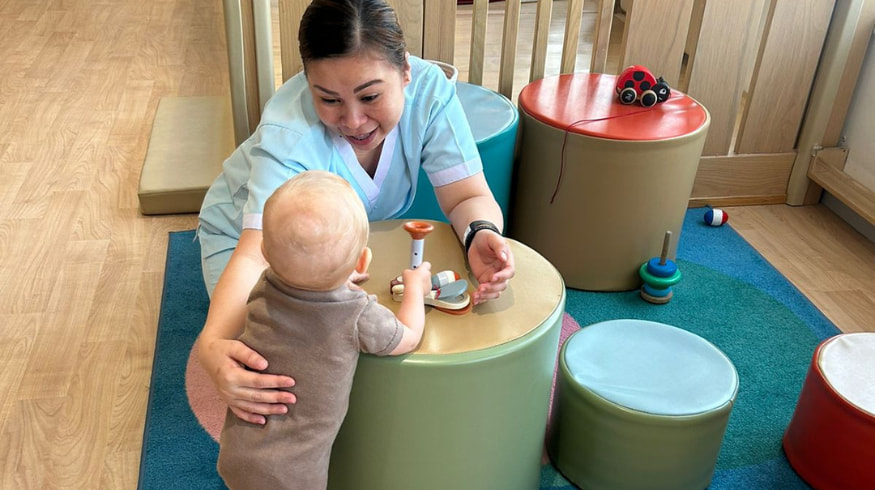
Picture a stack of blocks tumbling down and, just like that, your child bursts into tears. Or maybe someone else gets to the swing first, and suddenly the whole afternoon feels ruined. For little kids, these moments are huge, even if adults see them as minor hiccups. The truth is, young children are still figuring out what their emotions mean, how to talk about them, and what to do when things go sideways.
Building emotional intelligence in early childhood takes time, patience, and steady support from the adults around a child.
For many families in Dubai and Abu Dhabi, nannies are right there in the middle of these everyday moments, helping children get ready for the day, sharing playtime, handling meals, and winding down at night. Nannies become part of the everyday ups and downs that help children learn about themselves and others.
Emotional development doesn’t happen through formal lessons alone. Children build these skills through everyday interactions, simple conversations, and relationships. With the right support, a nanny can help a child feel safe sharing what’s on their mind, support them through difficult moments, and build their confidence bit by bit.
Children Need to Feel Safe Showing Their Emotions
First things first: before children can learn to handle their feelings, they need to know it’s okay to have them.
Young children don’t always have the words for “I’m upset,” “I’m worried,” or “I’m disappointed,” so their feelings might spill out as tears, shouting, refusal, or full-blown meltdowns.
This is where a calm, steady caregiver can make a real difference.
Sometimes it’s simply a familiar voice at bedtime, a warm hug after a difficult morning, or being there when things feel overwhelming. When children trust the adults looking after them, they’re more likely to express their feelings instead of bottling them up.
Accepting feelings doesn’t mean every behaviour is allowed. It’s about teaching children that having emotions is part of being human while guiding them towards healthier ways to manage those feelings.
Helping Children Find the Words
Children feel things long before they have the words to explain what’s going on inside. A toddler might not say, “I’m disappointed because playtime is over.” Instead, you may see the tears or sulking when play ends.
This is where nannies can help. They can give simple words to big feelings:
- “I see you’re sad that it’s time to stop playing.”
- “It seems disappointing when your blocks fall down.”
- “That must be frustrating when things don’t work out.”
It’s not about guessing exactly what a child is thinking. It’s about helping them begin to put language to their feelings. Over time, you may hear children start to say, “I’m angry,” or “I need help,” instead of acting out.
Tools like storybooks, emotion cards, or simply drawing together can help build this emotional vocabulary too.
Helping Children Cope Without Shutting Them Down
There’s a big difference between helping children handle their feelings and telling them to just “get over it.”
The aim isn’t to erase anger, sadness, or frustration. Those feelings are normal. The goal is to help children learn what they can do when their emotions feel too big.
Every child is different. One might need some quiet time. Another might want to talk. Some children may not feel ready to move forward until they receive a cuddle and some reassurance.
A thoughtful nanny learns what works for each child. Maybe that means giving them space, practising slow breathing together, listening instead of immediately trying to fix the problem, or simply sitting close by.
Children also watch adults closely. If a nanny keeps her cool during tough moments, speaks kindly, or handles her own frustration with patience, children learn what emotional regulation looks like in real life.
Everyday Moments Are Teaching Moments
Honestly, some of the most important emotional growth happens during ordinary routines: getting dressed, cleaning up, making a snack, waiting for a turn, or trying something new.
These moments are valuable opportunities for children to develop patience, responsibility, problem-solving skills, and confidence.
Take shoes, for example. A child may get frustrated while trying to put them on. Instead of doing it for them, a nanny might say, “It’s tricky, but you’re trying. Would you like to try again, or would you like some help?”
That teaches persistence instead of giving up at the first hurdle.
Praise effort, not just results. Children begin to believe in themselves. They learn that practice matters and that it’s completely okay not to master everything right away.
These small experiences add up and, over time, children can become more confident when facing new challenges.
Children Learn From What We Do
Children don’t just listen to what we tell them; they also watch what we do.
They see how adults communicate, manage problems, and deal with frustration. That’s why the way parents and caregivers handle their own emotions is so important.
If a child sees a nanny take a deep breath when annoyed, apologise after making a mistake, or talk things through instead of shouting, that’s a real-life lesson.
For many families in the UAE, nannies are closely involved in children’s daily routines, from before and after school to the hours when parents are working or managing other responsibilities. This steady presence gives children many opportunities to observe and learn emotional skills.
No one is perfect, and children don’t need perfection. They need to see that feelings aren’t scary, mistakes can be repaired, and difficult moments can be handled together.
Teaching Children Empathy
Understanding how others feel is a skill that children develop gradually. Young children naturally see the world from their own perspective, while empathy grows through relationships, guidance, and everyday experiences.
Nannies can help by encouraging children to notice and think about how others might be feeling. For instance:
- “How do you think your friend felt when the toy was taken?”
- “What could we do to help her feel better?”
- “How would you feel if it happened to you?”
Stories and make-believe games can also open the door to conversations about different emotions and viewpoints in a way that feels playful and engaging.
The goal isn’t for children to behave perfectly all the time. It’s about helping them gradually notice the feelings of others and understand that their actions can affect the people around them.
Giving Children Space to Build Confidence
Of course, parents and nannies want to make life easier for children, but stepping back sometimes gives them the space to build confidence and independence.
A nanny might be tempted to jump in when a child struggles with shoes, tidying up, or solving a puzzle. Sometimes help is needed, but sometimes what the child really needs is a little more time and encouragement.
Knowing when to help and when to take a step back is an important part of caring for children.
A nanny might ask, “Would you like to try it yourself first?” or say, “I’m right here if you need me.”
That reassurance lets children know that support is nearby while still giving them the chance to figure things out for themselves.
These moments can help build resilience and self-confidence over time.
Why Parents and Nannies Need to Team Up
Children benefit most when the adults in their lives communicate openly and work together.
If parents and nannies have different rules or expectations around emotions or independence, children may become confused about what is expected of them.
That’s why talking together matters.
Parents and nannies can discuss how they respond to tantrums, what words they use when talking about feelings, and how they encourage independence.
You don’t all need to respond in exactly the same way, but children often benefit from having a steady and consistent approach.
When parents and nannies are on the same page, children can feel safer and more secure. They know the adults around them are a team working together to support them.
How CloudNine Kids Supports Emotional Growth
At CloudNine Kids, we believe emotional development isn’t about big, formal lessons. It happens in small, everyday moments; when a child feels anxious, struggles to share, or needs help figuring out what they’re feeling.
A great nanny approaches these moments with patience and understanding.
That could mean helping a child put their feelings into words, encouraging them to try something independently, or simply offering a quiet moment of comfort when things don’t go as planned. Small actions, repeated over time, can make a meaningful difference.
Every child is different, and that’s why an attentive and thoughtful approach matters. Finding the right nanny is about more than supervision; it’s about finding someone who can support a child’s emotional, social, and personal growth every day.
Helping Children Grow With Confidence
Children may not remember every individual tantrum or difficult moment, but the experience of having a steady and caring adult beside them can help shape how they see themselves and the world around them.
When children have the space to talk about their feelings, the tools to handle difficult situations, and encouragement to try new things, they can gradually build genuine confidence and emotional skills.
At CloudNine Kids, we believe the right nanny can be an important part of that journey.
If you’re looking for a caring, experienced nanny who can support not only your child’s everyday needs but also their emotional and social development, the CloudNine Kids team is here to help you find the right fit for your family.

Angelica Robinson
CEO & Childcare Director


