
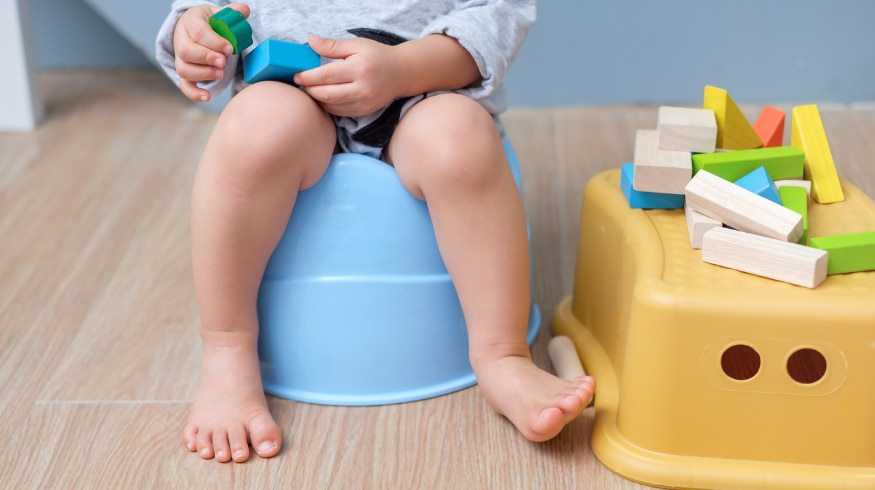
Potty training is one of those parenting milestones that can feel surprisingly big. There may be excitement one minute, an accident the next, and plenty of “Do you need to go?” in between.
Setting aside three focused days can give your toddler a strong start, but the real key isn’t rushing them to be fully potty trained by Day 3. It’s consistency.
When parents and nannies use the same words, routines, encouragement, and response to accidents, potty training becomes much easier for a child to understand.
Think of these three days as the beginning of a new routine. With patience, teamwork, and realistic expectations, your toddler can build confidence one small success at a time.
The Pre-Training Prep: Alignment & Readiness Before Day 1
Before bringing out the potty and sticker chart, start with one important question:
Is your child ready?
Every toddler develops differently, so potty training shouldn’t begin simply because they’ve reached a particular age or another child is already trained.
Look for Signs of Readiness
Your toddler may be ready to start when they begin showing several signs such as:
- Staying dry for longer periods.
- Showing interest when parents or siblings use the toilet.
- Telling you when their diaper is wet or dirty.
- Recognizing when they are about to wee or poop.
- Being able to follow simple instructions.
- Wanting more independence with dressing or toileting.
Readiness doesn’t mean there won’t be accidents. There will probably be plenty!
It simply means your child is beginning to understand their body’s signals and may be ready to learn what to do with them.
Have a Parent-Nanny Potty Training Meeting
If a nanny regularly cares for your toddler, involve them before Day 1.
Something as simple as using different words can confuse a young child. If Mum says “potty,” Dad says “toilet,” and the nanny uses another term, your toddler has to understand several instructions for the same thing.
Agree beforehand on the language everyone will use.
You should also decide together:
- How will we remind the child to use the potty?
- How will we celebrate successful attempts?
- What happens when there’s an accident?
- Who will keep track of potty visits?
- Are we focusing on daytime training first?
The more predictable the approach feels, the easier it is for your toddler to understand what’s expected.
Prepare Your Potty Training Setup
Keep everything simple and easy to reach.
Your potty training checklist might include:
- A child-sized potty or toilet-seat adapter.
- Easy-to-remove clothing.
- Spare underwear or training pants.
- Cleaning supplies and wipes.
- A waterproof mattress protector.
- An optional sticker or progress chart.
For these first few days, skip complicated outfits. Elastic-waist shorts and trousers are your friends. Overalls, belts, buttons, and tricky fastenings can wait!
The 3-Day Step-by-Step Potty Training Plan
The goal of these three days isn’t perfection. Instead, you’re creating lots of opportunities for your toddler to notice their body’s signals, connect those signals with the potty, and practise the routine with plenty of support.
Day 1: Introduce, Observe and Practise
Keep the first day calm and preferably stay close to home.
Introduce the potty and explain what it’s for using simple language. There’s no need for a long explanation. Something as simple as:
“When you feel wee coming, we use the potty.”
Then give your toddler plenty of opportunities to practise.
Parents and nannies should pay attention to the child’s natural pattern. When do they usually wee? Shortly after waking? After breakfast? After drinking? Before or after their nap?
Offer regular potty opportunities without turning the entire day into constant questioning. Natural moments are often easiest:
- After waking → potty
- Before leaving home → potty
- Before nap → potty
- After nap → potty
- Before bath → potty
When they use it successfully, celebrate warmly but keep things relaxed.
And when an accident happens? Stay calm. Clean up, remind them where wee or poop goes, and move on. Day 1 is mostly about learning and observing, not getting everything right.
Day 2: Build the Connection
By Day 2, your toddler may start understanding the routine — even if accidents are still happening.
Now begin encouraging them to notice their body’s signals. Instead of always saying, “Go sit on the potty,” you might ask:
“Does your body feel like it needs the potty?”
This shifts the process from adults constantly reminding them to the child gradually recognizing the sensation themselves.
Continue using the same routine and language established on Day 1. If the nanny takes over halfway through the day, the approach shouldn’t suddenly change.
- The same words.
- The same expectations.
- The same reaction to accidents.
- The same celebration when they try.
That continuity matters most during the early learning stage.
Day 3: Encourage More Independence
On Day 3, start giving your toddler a little more responsibility when they’re ready.
Encourage them to tell you when they need to go rather than relying entirely on scheduled potty visits.
They might also practise simple parts of the routine themselves, such as:
- Pulling their clothes down.
- Sitting on the potty.
- Flushing with help.
- Getting dressed again.
- Washing their hands.
Some toddlers will have made noticeable progress by this point. Others may still be figuring it out. Both are okay.
Three days can establish the foundation, but becoming confidently toilet independent can take longer. Continue the same routine after Day 3 rather than treating the end of the plan as a deadline.
4 Golden Rules for Parent-Nanny Consistency
A toddler shouldn’t have one potty-training system with Mum and Dad and another one when their nanny arrives. Keep these four rules consistent across everyone caring for your child:
1. Never Shame or Scold Accidents
Accidents aren’t naughty behaviour. They’re part of learning.
Try to avoid showing frustration or disappointment. Instead, keep your reaction simple and neutral:
“Oops, your wee came out. Let’s clean up and try the potty next time.”
Then move on. Your child should feel safe telling you about an accident rather than trying to hide it because they’re worried about your reaction.
2. Use the Same Reward System
Some families love sticker charts. Others prefer high-fives, praise, or celebrating attempts rather than results.
There’s no need to turn every successful potty visit into a major event. Whatever system you choose, however, make sure everyone follows it consistently.
If your toddler earns a sticker with their nanny, the same achievement shouldn’t suddenly require something completely different when Mum or Dad takes over.
3. Log Potty Attempts and Accidents
This doesn’t need to become an elaborate spreadsheet. A shared note can be enough:
- 8:00 AM — potty success
- 10:15 AM — accident
- 12:00 PM — potty success
- 2:00 PM — dry after nap
After a couple of days, you may start noticing patterns. This is particularly useful in households where parents and nannies share childcare throughout the day because nobody has to guess what happened during the previous shift.
4. Protect the Sleep Window
Daytime dryness and nighttime dryness don’t always happen together.
Before starting, parents should decide whether they’re focusing on daytime potty learning first or whether their child is showing signs that they’re ready for sleep periods too.
If your toddler still regularly wakes with a wet diaper or pull-up, that doesn’t erase their daytime progress. Avoid comparing their timeline with other children. Potty training is a developmental process, not a competition.
What Happens After Day 3?
Keep going.
This is perhaps the most important part of any 3-day potty training plan. Returning to completely different routines on Day 4 can undo some of the predictability you’ve built over the previous days.
Instead, parents and nannies should continue reinforcing the same habits while gradually reducing reminders as the child becomes more independent.
There may also be temporary setbacks. Travel, starting nursery, illness, a new sibling, changes at home, or simply an exciting day can sometimes lead to more accidents.
That doesn’t necessarily mean you’ve gone backwards. Return to the familiar routine, stay patient, and give your toddler time.
How Professional Nanny Training Can Support Developmental Milestones
Potty training might look like a small everyday routine, but for a toddler, it’s a big step toward independence.
Having adults around who respond consistently can make the learning process feel safer and easier to understand.
When parents and nannies communicate openly, follow the same routine, and celebrate progress without pressuring the child, potty training becomes less about meeting a three-day deadline and more about helping a toddler build confidence in their own body.
At CloudNine Kids, our professional Nanny Training workshops help caregivers strengthen their understanding of early childhood development, toddler behaviour, routines, and age-appropriate care.
Because when parents and nannies work as one team, everyday milestones can feel a whole lot easier — for the toddler and the grown-ups supporting them.
Ready to strengthen your nanny’s childcare skills? Explore CloudNine Kids’ professional Nanny Training and give your caregiver the practical knowledge and confidence to support your child’s next stage of development.

Angelica Robinson
CEO & Childcare Director


